Top Hiking GPS Devices for Navigation That Actually Work on Real Trails
Author:Mike Fakunle
|
Released:November 10, 2025
Top hiking GPS devices for navigation are built for places where phone signals fade fast. On forest paths, mountain ridges, and deep valleys, these tools help hikers stay on route when signs disappear and weather changes quickly.
Many hikers want clear directions, strong battery life, and maps that work without internet. This article brings together real trail needs, safety concerns, and navigation features so choosing the best hiking GPS becomes simple and stress free.
Why Dedicated Hiking GPS Devices Matter for Navigation
Why Phone GPS Often Fails on Trails
Phones struggle when signals drop or batteries drain. Thick trees, steep hills, and cold weather can cause location drift. Hiking GPS devices keep tracking position using satellites alone, which makes GPS navigation for hiking more reliable in remote areas.

When a Hiking GPS Is the Safer Choice
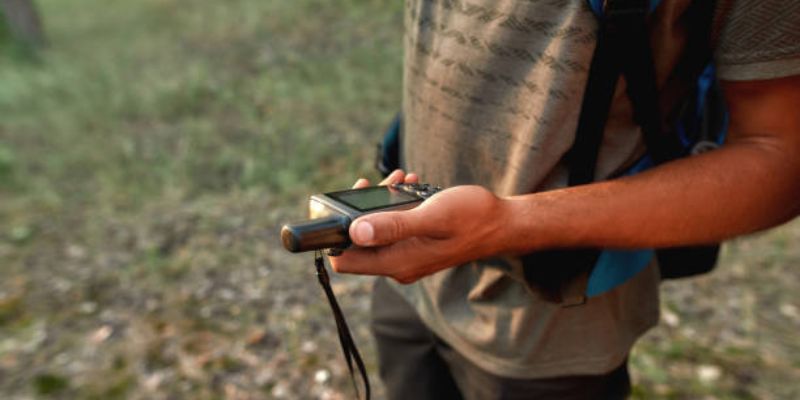
On long hikes or unfamiliar routes, a handheld GPS for hiking provides steady guidance. Many hikers rely on these tools when paper maps are hard to read or when visibility drops fast due to fog or rain.
Real Trail Situations Where GPS Prevents Getting Lost
Missed turns, animal paths, and washed-out trails are common. Hiking GPS units record tracks and show direction back to camp. This helps reduce panic and wasted energy during navigation mistakes.
How Hiking GPS Devices Work Outdoors
Satellite Networks Used for Navigation
Modern hiking GPS devices connect to multiple satellite systems. This improves lock speed and accuracy. According to how global positioning systems are described on earth observation data systems, using several satellites helps keep position stable even in tough terrain.
Accuracy in Forests and Mountains
Tree cover and cliffs can block signals. The best hiking GPS devices use stronger antennas to maintain accuracy. This makes gps navigation for hiking more dependable than phone apps.
Offline Maps and Tracking
Hiking GPS units store maps inside the device. This allows full navigation without internet, which is critical for long or remote trips.
Key Features That Matter Most in Hiking GPS Devices
GPS Accuracy and Satellite Support
Look for devices that track location quickly and hold a signal. This feature is vital for safe navigation on winding trails.
Battery Life for Different Trips
Short hikes need less power than multi-day trips. Many handheld GPS models for hiking last for days with power-saving modes.
Screen Visibility and Controls
Bright screens help in sunlight. Button controls work better with gloves and rain, which matters during cold or wet hikes.
Durability for Outdoor Use
Hiking GPS units are built to handle drops, dust, and water. This toughness keeps navigation tools working in harsh conditions.
Mapping and Navigation Tools You Should Not Ignore
Topographic Maps and Trail Detail
Good hiking GPS devices include elevation lines, water sources, and trail names. These details support better route choices.
Route Planning and Waypoints
Preloaded routes help hikers stay focused. Waypoints mark camps, junctions, or water stops during GPS navigation for hiking.
Elevation and Terrain Awareness
Seeing climbs and descents ahead helps hikers manage energy. This is especially useful on mountain trails.
Top Hiking GPS Devices for Navigation by Skill Level
For Beginners
Simple menus, clear maps, and long battery life matter most. Beginner-friendly hiking GPS devices focus on basic navigation without clutter.

For Regular Hikers
Weekend hikers benefit from better mapping and faster tracking. These best hiking GPS options balance features and ease of use.
For Backcountry and Expedition Use
Advanced hiking GPS units offer strong signal tracking and detailed maps. These devices support long-distance navigation far from roads.
Handheld GPS Units vs GPS Watches
When Handheld GPS Is Better
Larger screens and stronger antennas make handheld GPS for hiking easier to read and more accurate on long trips.
When GPS Watches Are Enough
Short trails and familiar routes may only need a watch. However, screen size limits detailed navigation.
Navigation Limits of Watches
Small displays reduce map clarity. This makes hiking GPS devices more reliable for route planning and tracking.
Battery Performance in Hiking GPS Devices
Replaceable vs Rechargeable Batteries
Some hiking GPS units use replaceable batteries. Others recharge by cable or solar packs. Each option suits different trip lengths.
Battery Saving Modes
Power modes extend runtime by reducing screen use. This keeps GPS navigation for hiking active longer.
Charging on Long Trips
Portable chargers help keep handheld GPS devices for hiking and running during multi-day adventures.
Using Hiking GPS Devices for Safety
Navigation in Bad Weather
Fog, snow, and rain reduce visibility. Hiking GPS devices guide users back to safe routes when landmarks vanish.
Backtracking Features
Trackback tools show the exact path traveled. This helps hikers return safely if routes become unclear.
Emergency Situations
Rescue planning often depends on accurate location sharing. Many navigation practices are supported by trail safety principles explained within public land management resources, such as outdoor safety education programs.
Common Mistakes When Choosing a GPS Device
Buying Based on Brand Alone
Navigation needs differ by trail type. Choosing based on features matters more than names.
Ignoring Map Updates
Outdated maps reduce usefulness. Hiking GPS units should support frequent updates.
Paying for Unused Features
Extra sensors may not help casual hikers. Focus on core gps navigation for hiking needs.
How to Choose the Right Hiking GPS Device
Match Features to Terrain
Dense forests need strong signal support. Open deserts need long battery life.
Experience Level Matters
New hikers need simple menus. Experienced users benefit from advanced navigation tools.
Budget Planning
Affordable hiking GPS devices still offer reliable navigation when chosen carefully.
Setting Up a Hiking GPS Device Before the Trail
Updating Maps and Software
Keeping maps current improves accuracy. Many updates reflect trail changes tracked through mapping standards similar to those maintained by national geographic data systems.
Creating Routes at Home
Planning routes early reduces trail stress and saves battery power.
Testing Before Hiking
Quick tests ensure hiking GPS units work properly before departure.
What to Expect From Hiking GPS Devices Over Time
Map Updates and Longevity
Good devices support long-term updates. This keeps navigation accurate for years.
Battery Wear
Rechargeable batteries weaken over time. Replaceable options extend device life.
Durability After Years of Use
Quality handheld GPS for hiking withstands repeated trail exposure.
Top Hiking GPS Devices for Navigation Worth Trusting Long-Term
Top hiking GPS devices for navigation build confidence on unfamiliar paths. Reliable mapping, strong battery life, and accurate tracking help hikers focus on the journey instead of directions. Choosing the best hiking GPS based on real trail needs leads to safer, more enjoyable outdoor experiences.
Sources
Related Posts
Outdoor Gear
The Best Headlamps for Brightness, Comfort, and Battery Life

Outdoor Gear
Best Waterproof Jackets for Heavy Rain, Wind, and Long Days Outside

Outdoor Gear
How to Use Trekking Poles: Techniques, Tips, and Terrain Adjustments

Destinations
Most Scenic Hikes Near Tokyo for Nature Lovers

Activities
How To Safely Cross Rivers While Hiking With 9 Simple Safety Checks

Destinations